Regulatory Nuances Shaping Bonus Allocation for Progressive Slots in Sweden's Online Gaming Scene
Sweden's online gaming market operates under the Gambling Act that took effect in 2019 and continues to evolve with targeted updates from the national regulator Spelinspektionen, and these rules directly influence how operators handle bonus funds when players engage with progressive slot titles where jackpot pools grow through small contributions from each qualifying bet.
Core Licensing Requirements and Their Reach
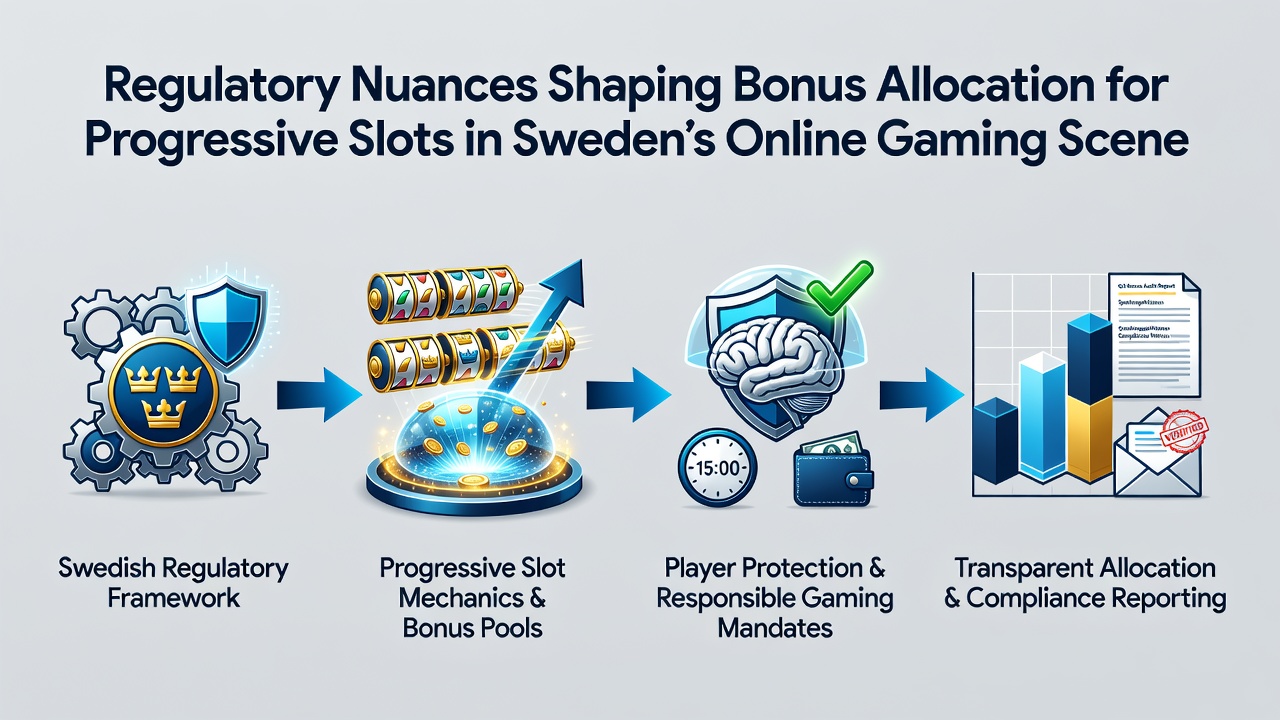
Operators must hold a Swedish license to accept players within the country and that license imposes strict separation between real-money wagers and bonus credits when those credits feed into progressive jackpot systems, while data from industry monitoring in August 2026 showed that licensed sites adjusted their contribution formulas so bonus amounts contribute at reduced rates or zero rates to avoid inflating pools disproportionately.
Spelinspektionen requires transparent reporting of every bonus campaign and that reporting extends to progressive mechanics because any bonus allocation must preserve the advertised return-to-player percentages across both base game and jackpot components. Observers note that this level of scrutiny stems from the need to prevent bonus funds from creating artificial volatility in shared prize pools that multiple operators may link across borders under controlled agreements.
Bonus Types and Progressive Contribution Limits
Deposit-match bonuses, free-spin packages, and cashback offers each trigger different allocation protocols when used on progressive slots, yet the regulator mandates that operators document exactly how much of any bonus stake enters the jackpot meter versus how much stays outside it. Researchers at European gaming institutes have tracked these distinctions and found that most licensed platforms cap bonus contributions to progressive pools at between zero and twenty-five percent of the nominal bet amount, a practice that became more uniform after compliance audits intensified in 2025.
Those who've examined license conditions know that free spins awarded as bonuses often carry zero contribution to progressive meters by default, whereas deposit bonuses may allow partial contribution once wagering requirements are satisfied, and this differentiation appears in the technical specifications each operator submits during annual license renewals. Figures reveal that the average progressive slot on Swedish sites now displays two separate meters in its backend logs, one for cash bets and one for bonus-derived bets, allowing regulators to verify compliance without disrupting the player-facing experience.
Reporting Obligations and Audit Processes
Monthly data submissions to Spelinspektionen must include line-item breakdowns of bonus spend on every progressive title, and these submissions feed into cross-operator comparisons that flag anomalies in jackpot growth rates. When discrepancies surface, the regulator can request source code reviews or third-party testing to confirm that bonus allocation algorithms match the documented parameters, a step that several operators underwent following the August 2026 compliance round.
Academic analyses published through Nordic gambling research networks indicate that transparent allocation rules reduce the risk of jackpot manipulation while maintaining player trust in the fairness of shared prize pools, and the same studies highlight how Sweden's model differs from neighboring markets by tying bonus visibility directly to jackpot contribution percentages rather than applying blanket restrictions across all game types.
Player Protection Measures Embedded in Bonus Rules
Every bonus offered on progressive slots must display clear terms regarding its jackpot contribution status before the player activates the feature, and this disclosure requirement extends to mobile and desktop interfaces alike. Licensed operators therefore integrate on-screen indicators that show whether a current spin uses bonus funds eligible for the progressive meter or cash funds only, giving players immediate visibility into how their activity affects pool growth.
Time-limited bonuses and loyalty rewards follow the same transparency standards, yet their shorter validity periods sometimes require automated systems that pause or redirect contributions once the bonus expires mid-session. Such mechanisms ensure that jackpot integrity remains intact even when bonus cycles overlap with ongoing progressive draws, a technical challenge that platform providers addressed through updated APIs rolled out ahead of the 2026 reporting cycle.
Cross-Border Linkage and Allocation Consistency
Some Swedish-licensed operators participate in multinational progressive networks, and these arrangements demand that bonus allocation percentages remain consistent across all participating jurisdictions even when local rules vary. Regulators coordinate through information-sharing agreements so that a bonus credited in Sweden does not inadvertently alter jackpot dynamics for players in other regulated territories, and industry reports from August 2026 documented several successful audits of such linked systems without identifying contribution mismatches.
Those who monitor license conditions observe that operators must maintain separate ledger entries for Swedish player activity within any shared progressive pool, allowing Spelinspektionen to isolate and review bonus-related contributions without accessing full network data belonging to foreign regulators.
Conclusion
Sweden's approach to bonus allocation on progressive slots rests on precise technical controls, mandatory disclosures, and recurring audits that together maintain both jackpot fairness and player protection standards. As the market matures, operators continue to refine their systems to meet evolving Spelinspektionen expectations while preserving the appeal of growing prize pools for licensed play. The framework established through ongoing regulatory dialogue provides a clear structure for how bonus funds interact with progressive mechanics, ensuring consistent application across the sector.